Network Topologies

Network Topologies

Networking
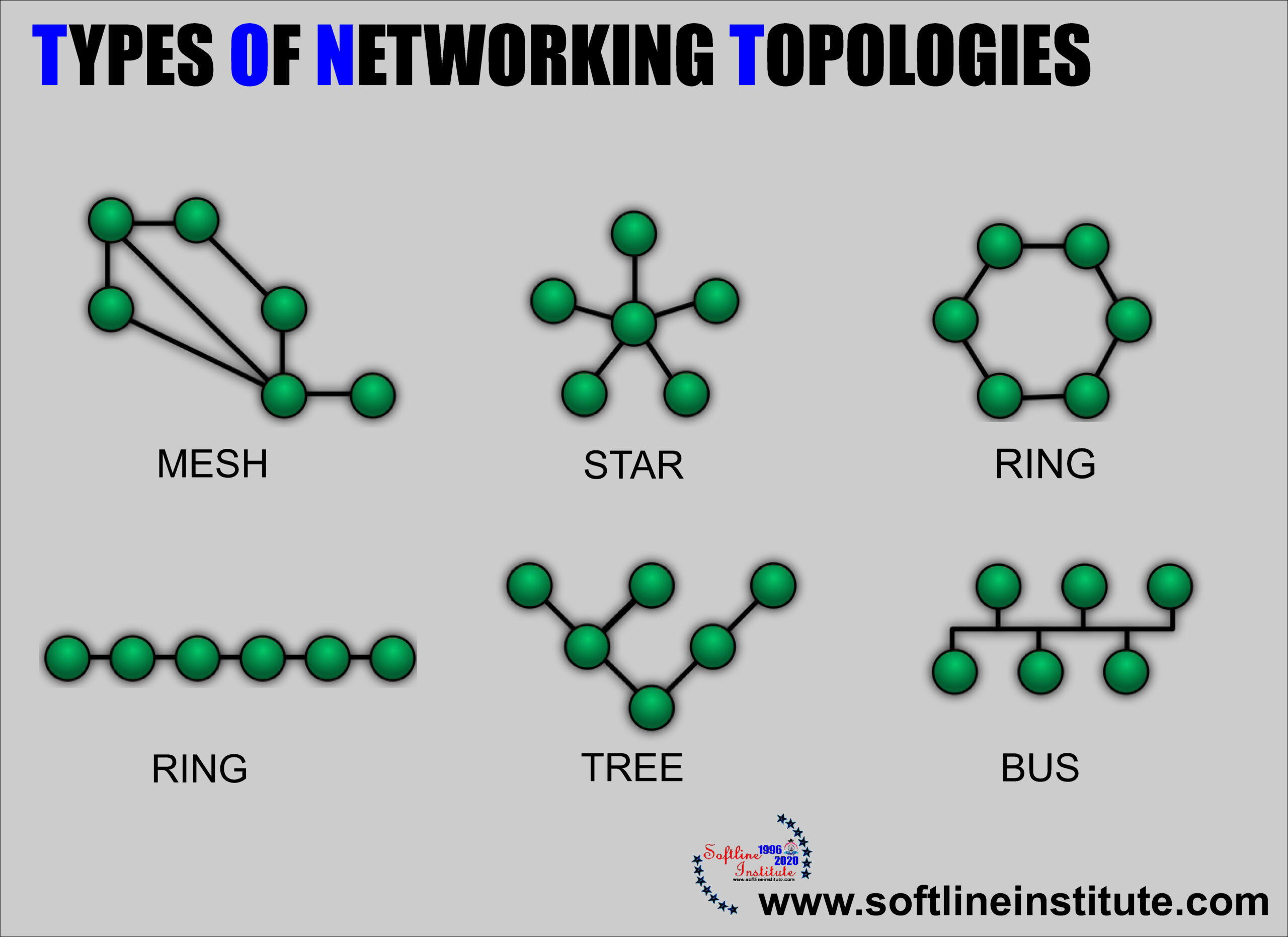
Topologies are the way networks are physically connected together. Topology determines the complexity and therefore the cost of network cable installation. Cable installation can often be a major cost factor for network system. Topology also determines the strategy for physically expanding the network. Different way in which computers may be connected together are described in the following subsections. Linear Bus Topologies In this layout, a single main cable connects each node, in what amounts to a single line of computers accessing it from end to end. Each node is connected to two others except the machines at either end of the cable, which are connected only to one other node. The network operating systems keeps track of a unique electronic address for each node manages the flow of data based…
Read More
Mesh Networking

Mesh Networking

Networking
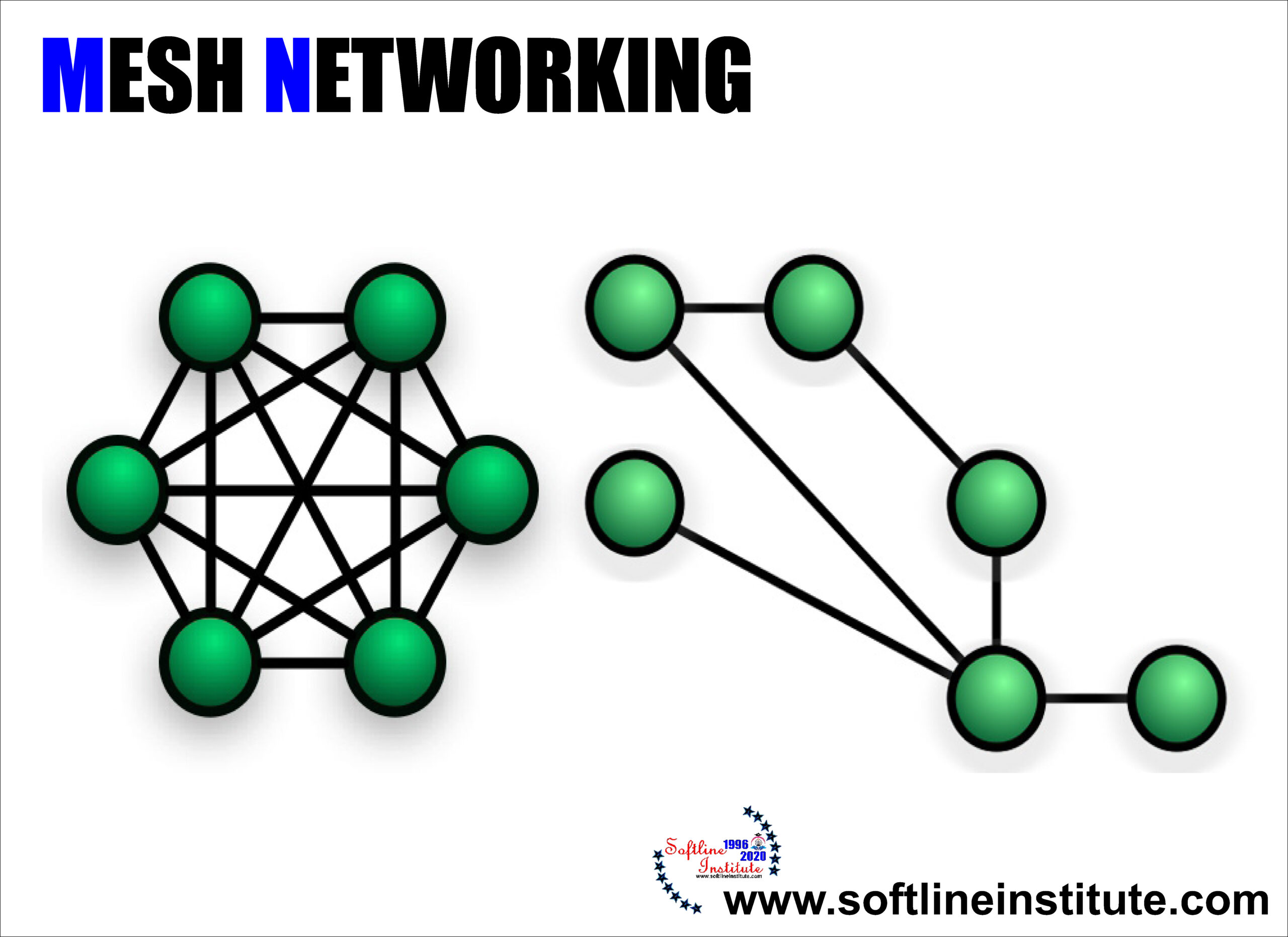
Networking Basics, as one of the standards network typologies. Mesh networks don't connect notes back to a central hub, or daisy chain one to the next. Rather, they arise from a side effect of radio transmission, in that every radio transceiver can conceivably "see" and "hear" a number of other transceivers. Mesh Networks can form opportunistic routes, in which each node's router sends data in the most efficient way among many different nodes that it can see. This not only reduces chokepoints but also adds redundancy, ensuring that s single node's outage doesn't bring down a network. Note:The Internet is supposed to work this way and sometimes does, but the number of possible routes on the internet's high-level, long-haul routes is limited by actual physical connections between networks and machines.…
Read More